Why Are My Windows Foggy in Winter? Understanding Condensation in Your Home
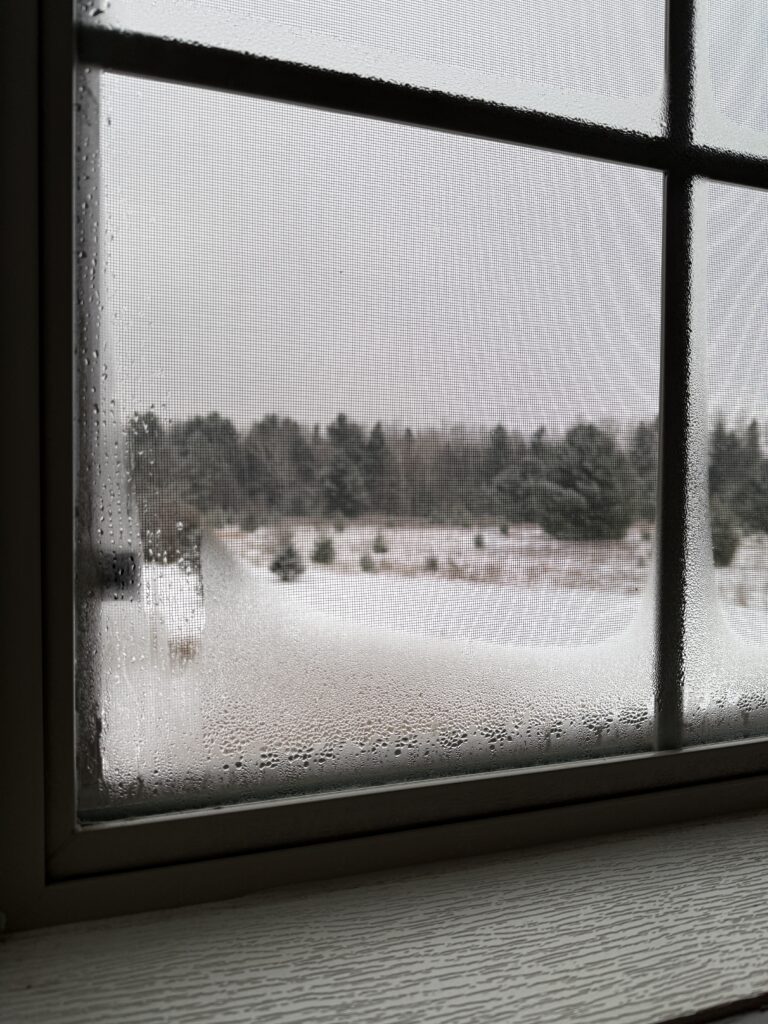 If you live in the Midwest, you know winter temperatures can drop quickly and stay cold for weeks at a time. That’s when many homeowners start wondering: Why do my windows suddenly look foggy?
As homebuilders who work in cold-weather climates, we hear this concern every winter, especially from homeowners experiencing their first winter in a newly built home. Many worry that condensation means something is wrong with the windows or the home itself.
Here’s the good news: in most cases, window condensation is completely normal and is actually a sign that your new home is doing exactly what it was designed to do: stay well sealed, energy efficient, and comfortable.
Understanding what’s happening makes it easier to take simple steps that keep your home comfortable all winter long.
What Causes Condensation?
 Condensation occurs when warm, humid air meets a cold surface. You’ve probably seen this on your bathroom mirror after a hot shower or on the outside of a cold glass of water on a hot summer day.
In your home, glass is often the coldest surface, especially during Midwest winters when outside temperatures drop well below freezing. When warm, moist indoor air touches that cold glass, it condenses into visible water droplets.
The greater the temperature difference between inside and outside, the more noticeable the condensation.
Why New Construction Homes Experience More Condensation
If this is your first winter in your new construction home, you’re especially likely to notice condensation, and there are two key reasons why:
1. Building materials release moisture.
Lumber, concrete, and drywall all contain natural moisture that dissipates over time, typically within the first year. This moisture is gradually released into your home’s air as it settles.
2. Modern homes are tightly sealed for energy-efficiency.
Your new home is built to be energy-efficient, keeping warm air in and cold air out. This tight seal prevents humid air from naturally “leaking” out as it might in older homes. Consequently, everyday activities like cooking, showering, and laundry can cause indoor humidity to build up if not properly ventilated.
Your Windows Are Actually Doing Their Job
It may seem counterintuitive, but condensation on the inside of your windows usually means your home is performing as it should, not that something is wrong.
Modern, energy-efficient windows reduce heat loss and limit cold air transfer, but during extreme winter temperatures the interior glass can still become cold enough for moisture in warm indoor air to condense on contact. When this happens, it’s typically related to indoor humidity interacting with cold glass surfaces, not a problem with the window itself.
This type of condensation is usually temporary and can be managed with simple humidity and ventilation adjustments.
Managing Indoor Humidity Levels
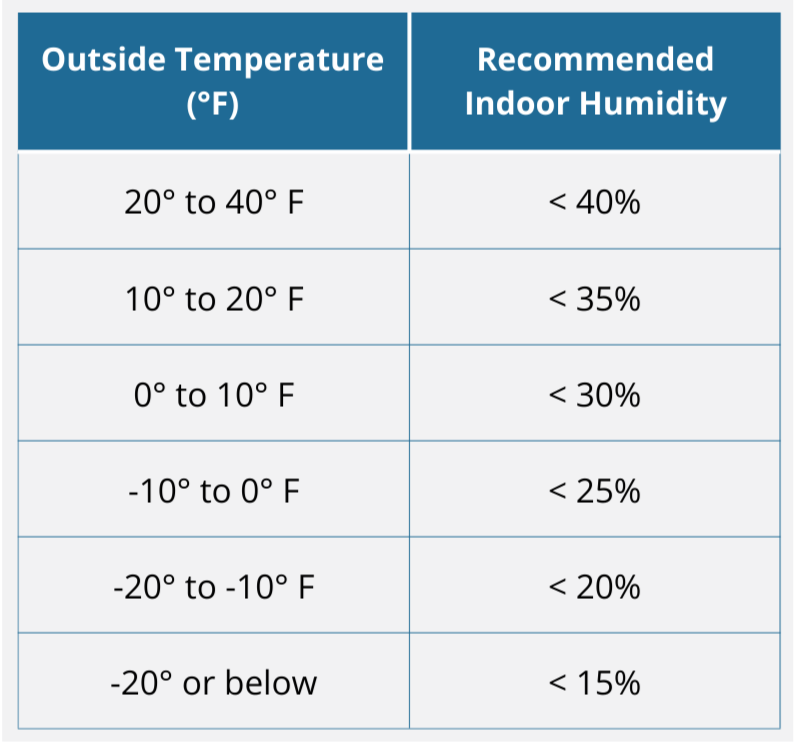
The key to reducing window condensation is controlling the moisture in your indoor air. While most homes feel comfortable with relative humidity between 40–60%, colder weather usually requires lower indoor humidity levels to prevent moisture from collecting on cold surfaces like windows.
The proper humidity level depends on outdoor temperature and how well insulated your home is. The Minnesota Center for Energy and Environment provides these recommended indoor humidity ranges for the winter:
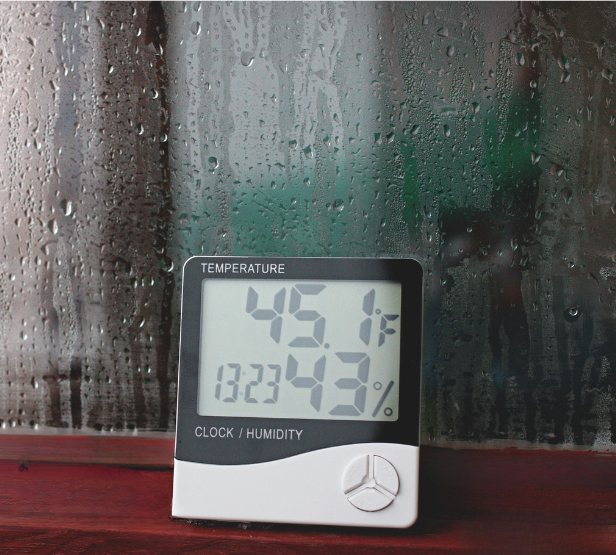
To keep an eye on your home’s moisture levels, consider using an inexpensive hygrometer (found at most hardware stores) to measure indoor humidity. These small devices can be placed in common areas of your home and make it easy to monitor conditions at a glance so you know when adjustments may be needed.
Practical Steps to Reduce Condensation
1. Run your exhaust fans regularly. Turn on kitchen and bathroom exhaust fans when cooking, showering, or running the dishwasher. These everyday activities add moisture to your indoor air, and proper ventilation helps remove it before it builds up.
2. Improve air circulation. Run your furnace fan and ceiling fans regularly to keep air moving throughout your home. Opening curtains and blinds during the day can also help warm window surfaces and improve airflow.
3. Use a dehumidifier to reduce humidity. If you’re consistently experiencing high humidity levels, a portable dehumidifier can help maintain optimal moisture levels and reduce condensation.
4. Check for hidden moisture sources. Make sure your dryer is properly vented outside and watch for any signs of plumbing leaks or water intrusion that could be adding excess moisture to your home.
Quick Tip: Wipe condensation off your windows with a soft cloth or towel to prevent water from dripping onto the window frame or surrounding walls and causing damage.
When Should You Be Concerned?
While most interior condensation is normal, there are a few signs to watch out for that could point to a larger issue. Consider contacting your builder or another qualified professional if you see:
Condensation between window panes. If you see moisture trapped between layers of glass in a double or triple-pane window, this indicates a seal failure and should be addressed.
Signs of water damage. If condensation is dripping onto windowsills and causing water stains, wood swelling, or mold growth, this needs attention to prevent long-term damage.
The Bottom Line
Seeing condensation on your windows during winter usually isn’t a sign that something is wrong. In many cases, it means your home is doing exactly what it should: staying well sealed, energy efficient, and comfortable.
With a little attention to ventilation and humidity control, most condensation issues can be managed and reduced over time – and in newly built homes, this often improves naturally after the first year as building materials continue to dry.
Questions or Concerns?
If you have specific questions about condensation in your home, don’t hesitate to reach out to your builder or a qualified professional. They can help you understand what’s normal for your home and recommend the best solutions.
Here’s to more comfortable, cozy winters in your home!
CONNECT WITH US
ZIP not found
Invalid ZIP format.